As a physicist moving from ultrafast spectroscopy research in Kassel into industry R&D roles, where data science and automation are core tools, I've experienced how AI is reshaping careers for researchers like me.
In 2025, AI automates routine tasks but creates strong demand for professionals who combine domain expertise with intelligent tools, especially in Europe's ethical and industrial focus areas.
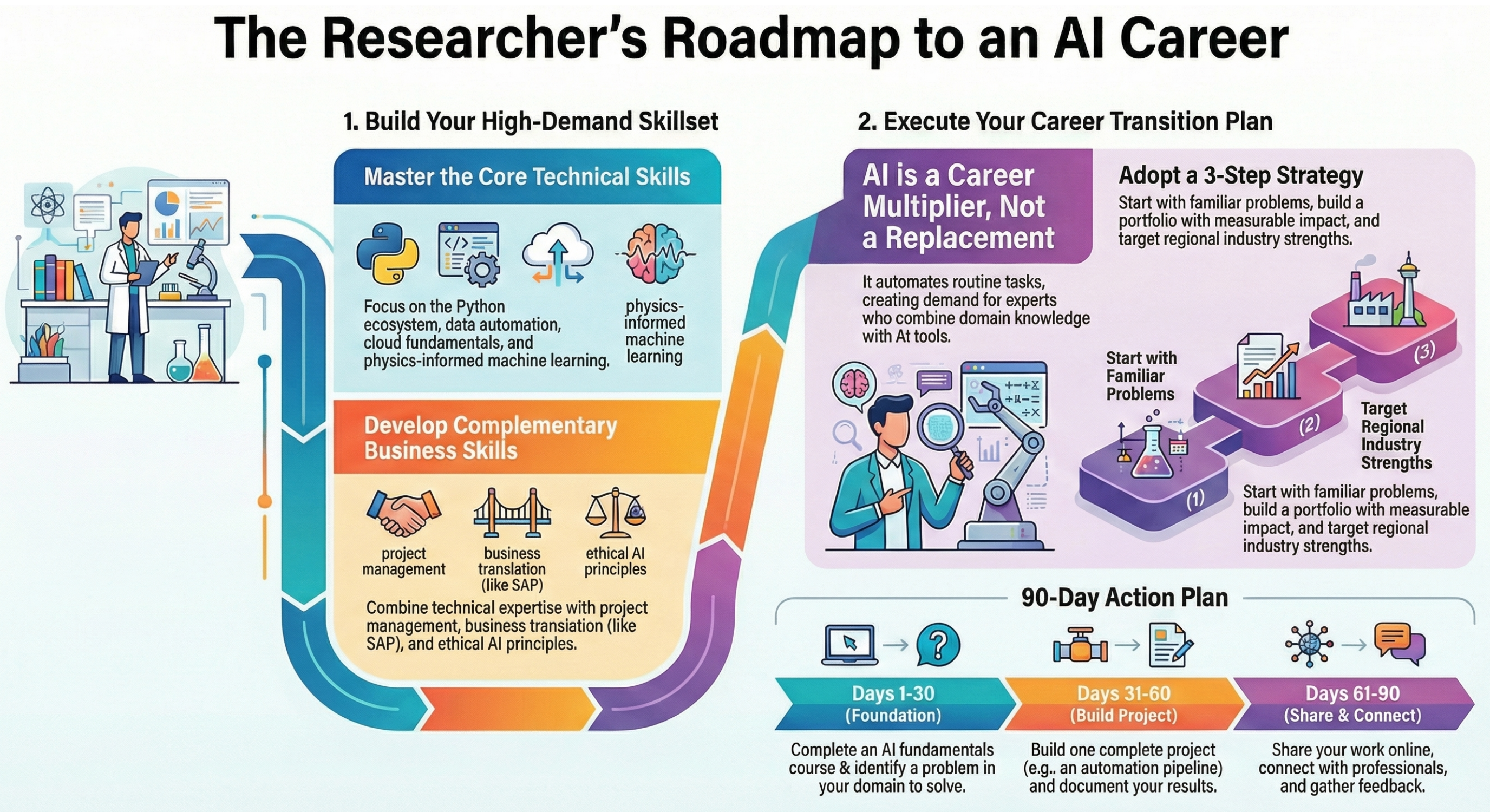
AI Revolution Overview: Career multiplier effects and strategic positioning for researchers
AI as a Career Multiplier
Reports show cautious optimism: AI drives productivity gains and net job growth. In the DACH region, demand grows for AI-skilled experts in manufacturing, energy, and R&D.
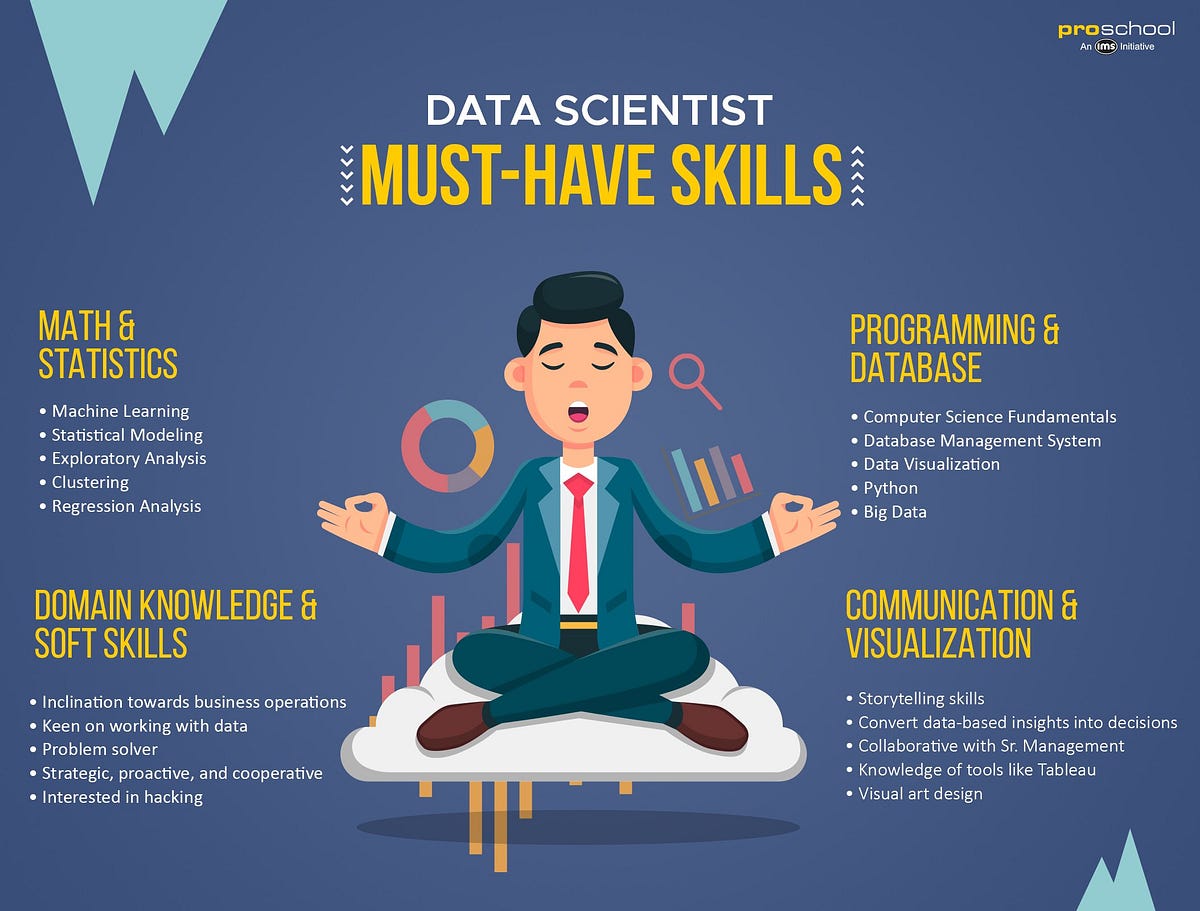
Image source: Medium - AI impact on productivity and career opportunities
My own work reflects this. Agentic AI workflows automate lab data processing, cutting weeks of manual effort to hours, and free time for strategic analysis that companies value.
Physicists are well-positioned. Our skills in statistical modeling, simulation, and complex systems align directly with machine learning needs in materials science, process optimization, and predictive analytics.
High-Demand Skills for Researchers Entering AI Roles
From current trends and my upskilling:
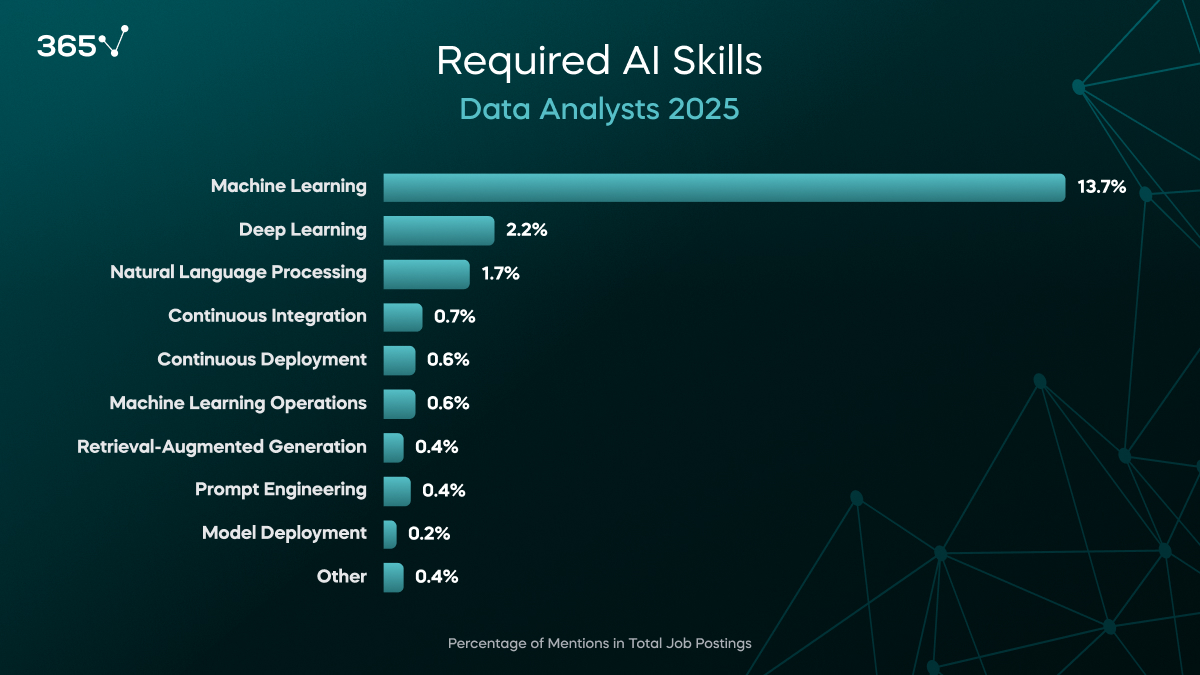
Source: DataCamp - Essential AI skills for data professionals in 2025
Core Technical Skills
- Python ecosystem (Pandas, scikit-learn, PyTorch basics)
- Data processing and automation
- Cloud fundamentals (AWS/Azure for scalable workflows)
- Physics-informed machine learning
Complementary Skills
- Project management (Google PM certification in progress)
- Business translation (SAP consulting studies)
- Ethical AI considerations
These fit roles in Industry 4.0 and digital transformation, growing fast in Germany.
Strategic Positioning: Lessons from My Transition
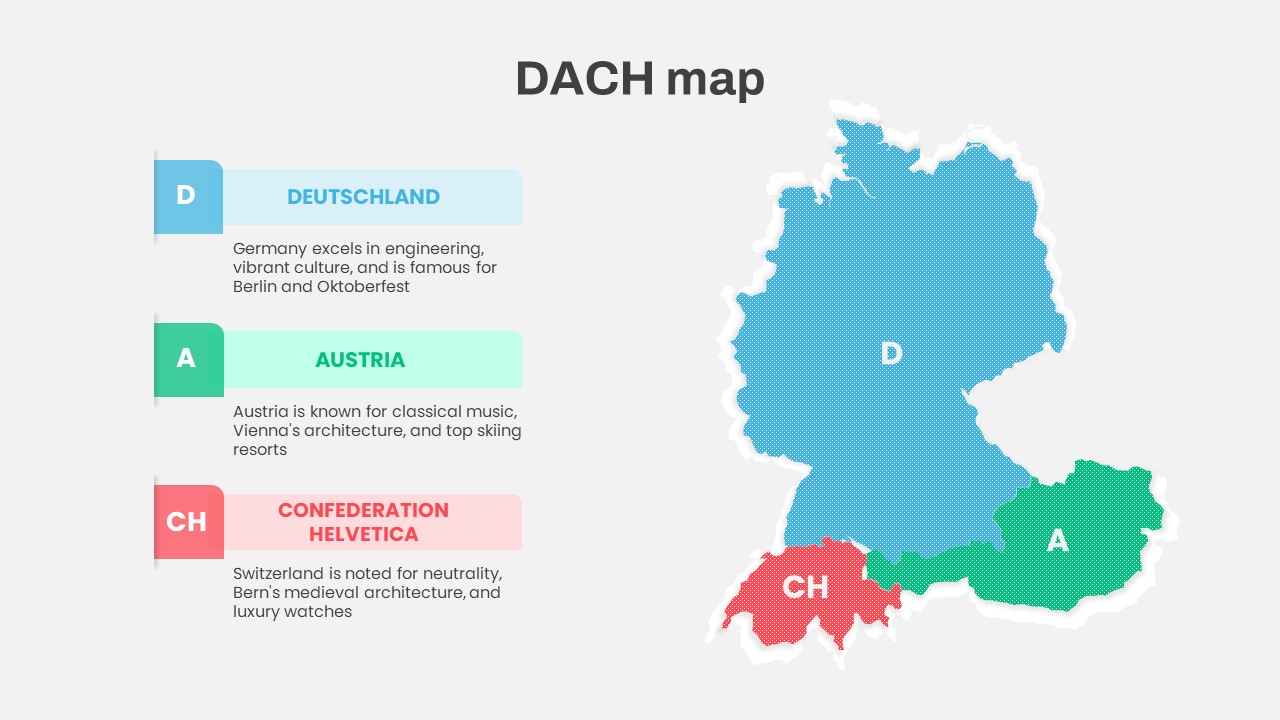
Source: SlideTeam - DACH region where AI opportunities are growing
1. Start with Familiar Problems
Apply AI to your field first. I automated lab workflows (reducing spectral processing time significantly) before expanding.
2. Build Visible Evidence
Document projects with measurable impact. Recruiters prioritize proof.
3. Target Regional Strengths
Europe emphasizes work-life balance and ethics. The DACH region needs AI for manufacturing and R&D, where physics expertise adds clear value.
A Practical 90-Day Plan for Researchers
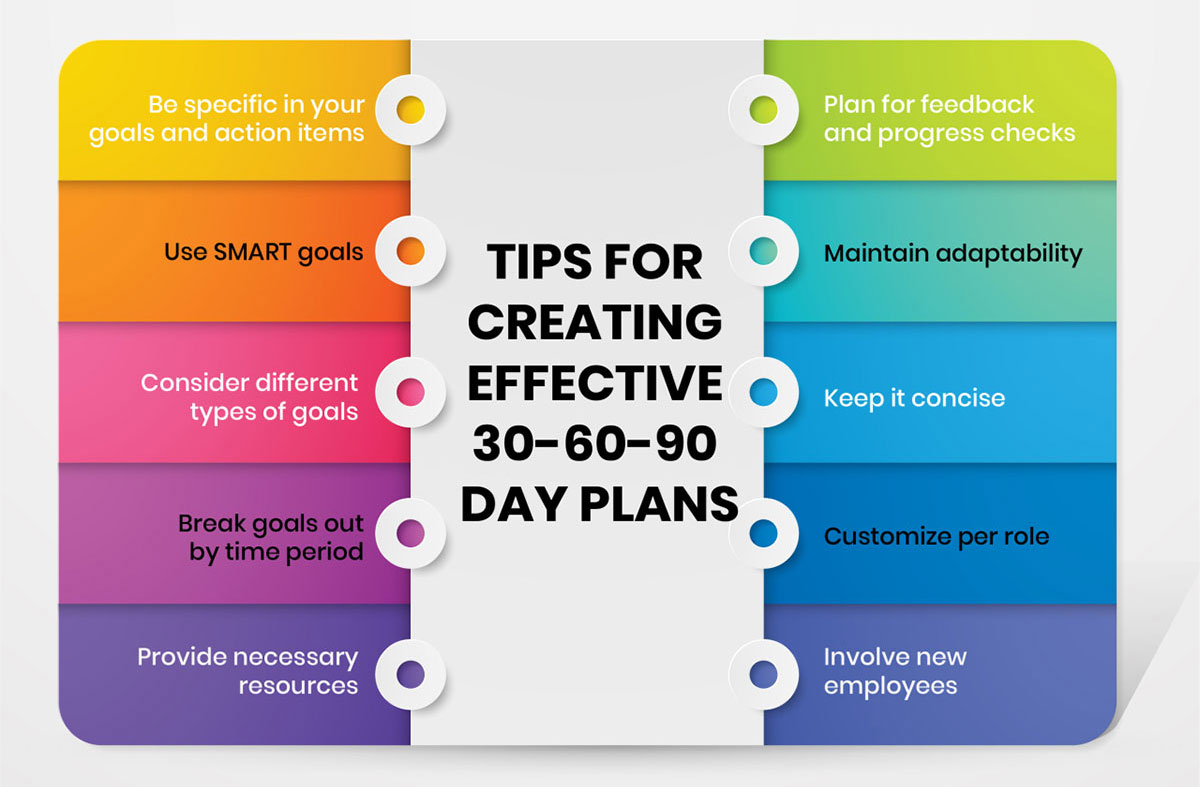
Source: Smartsheet - Framework for structured career transition planning
This steady approach has driven my progress.
Final Thoughts
AI amplifies prepared professionals rather than replacing them. For physicists and researchers, our analytical rigor paired with AI tools forms a valuable combination, one industry seeks now.
The opportunity rewards those who start thoughtfully.