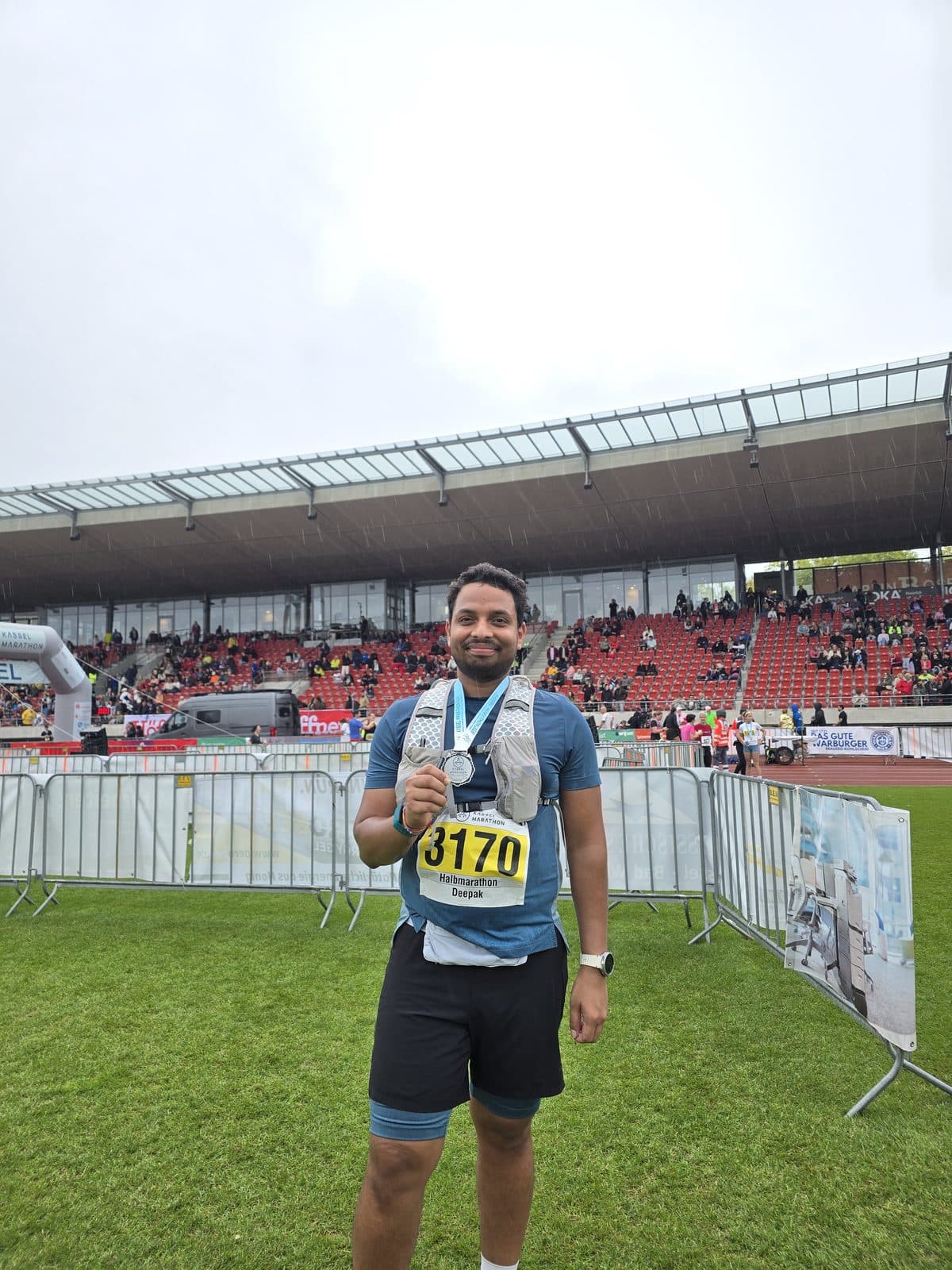
Kassel Half Marathon 2026, in the Rain
26 September 2026•2 min read
My third Kassel Half Marathon. It rained, I was slower than last year, and I am not going to pretend I know why.
RunningHalf MarathonKasselBeyond the Lab
Read Post
Notes on instruments and life in the lab.
I write about scientific instrumentation, laboratory automation, and what I learn at the bench. Postdoctoral researcher at the University of Kassel.
What you'll find here:
Publishing cadence: I publish when a piece is worth reading rather than to a schedule. Each post aims to solve a real problem.
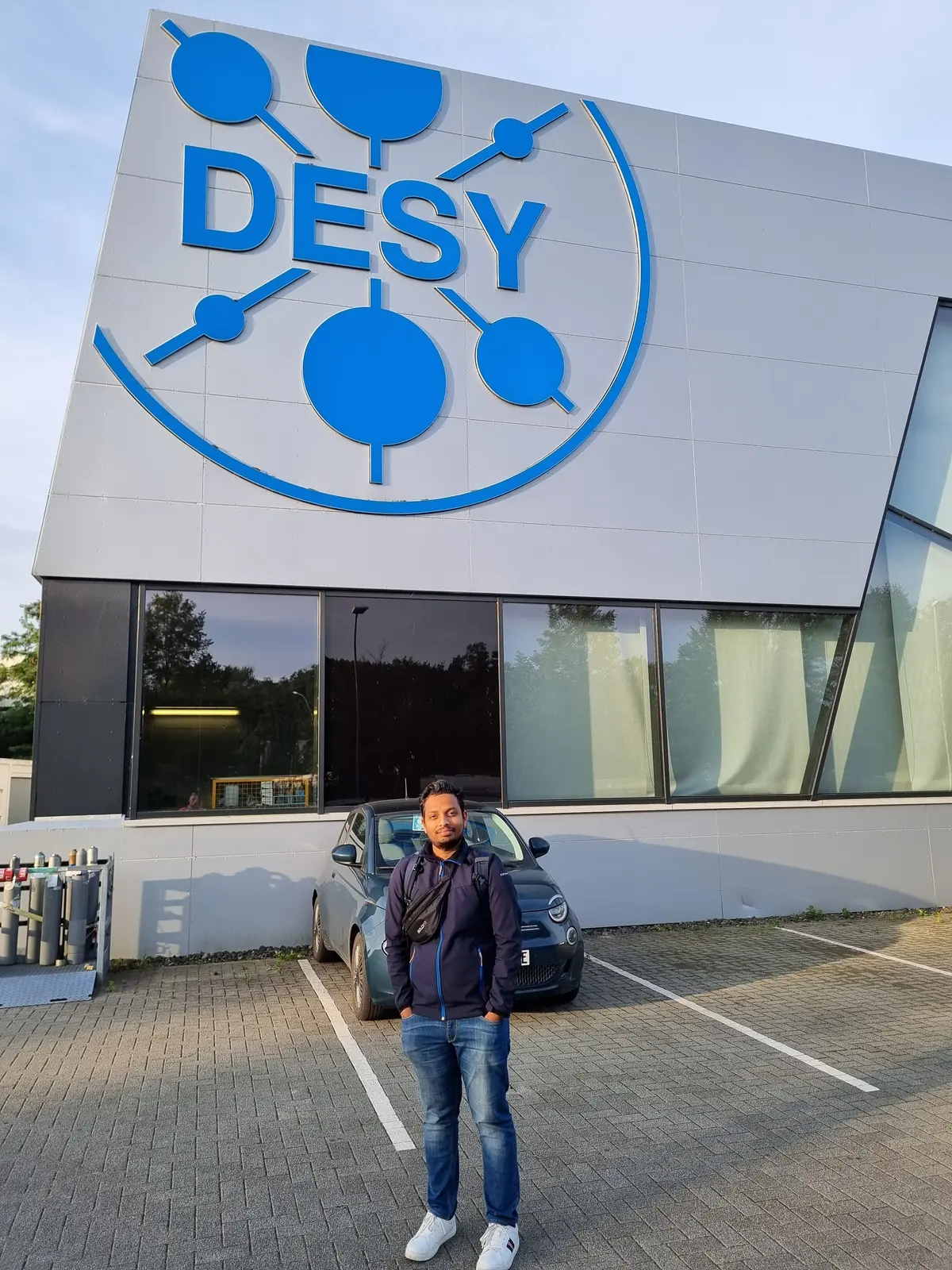
Beamtime at DESY, Hamburg
I run regularly along the Fulda river and the trails around Kassel. Long runs take the same sustained effort and discipline that experimental research does.
Whether reassembling a complex vacuum system over several weeks, iterating on automation code until it runs reliably, or pushing through the final kilometers of a long run, the approach is similar. Break the challenge into manageable steps, stay focused, and keep moving forward even when progress feels slow.
This mindset, built through both running and years in the lab, helps me tackle technical problems with patience and determination.
Kassel Half Marathon 2026 →My third Kassel Half Marathon. It rained, I was slower than last year, and I am not going to pretend I know why.
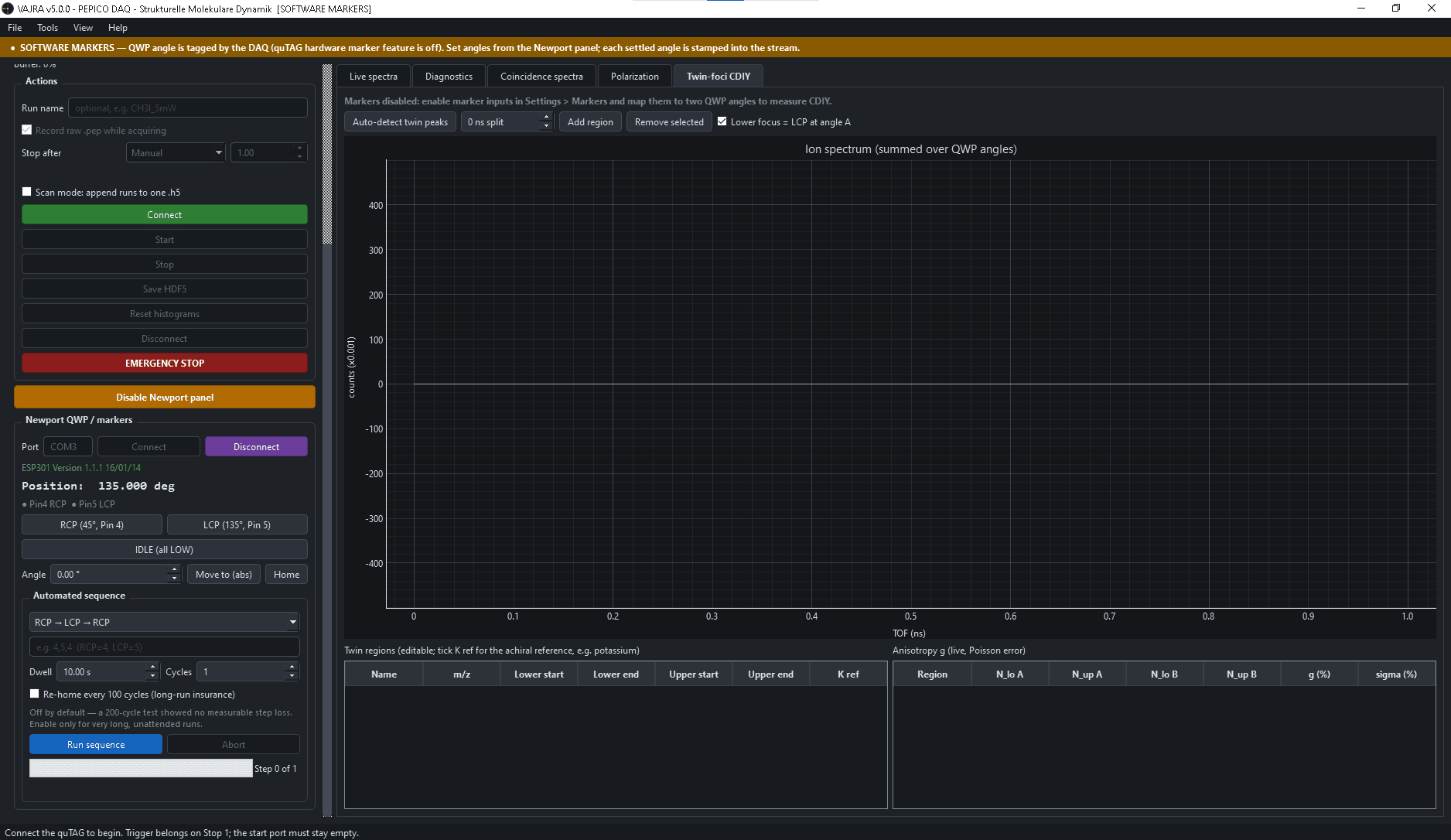
I spent three weeks convinced I had a wiring problem. The device had accepted a valid instruction, quietly done something smaller, and reported nothing at all.
I run a mass spectrometer and I own the acquisition system feeding it. There are six layers in between that I have been trusting rather than understanding, and here is exactly how I plan to close that.
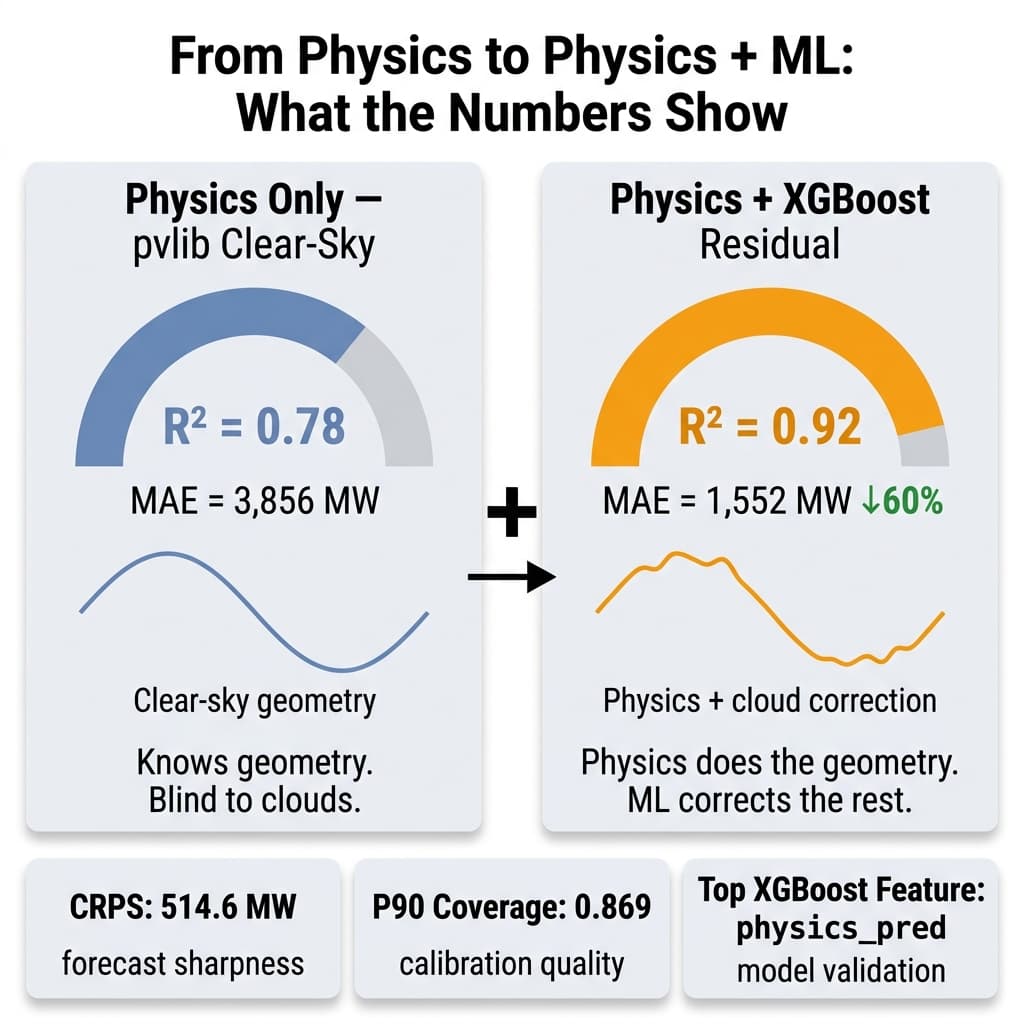
Most ML forecasting tutorials start with the data and end with a model. This project started with a physics equation, and it made all the difference.
A false pulse 31 ns after real ones was costing us one coincidence in five. How I traced it to high-voltage pickup, and what I would check on any coincidence setup.
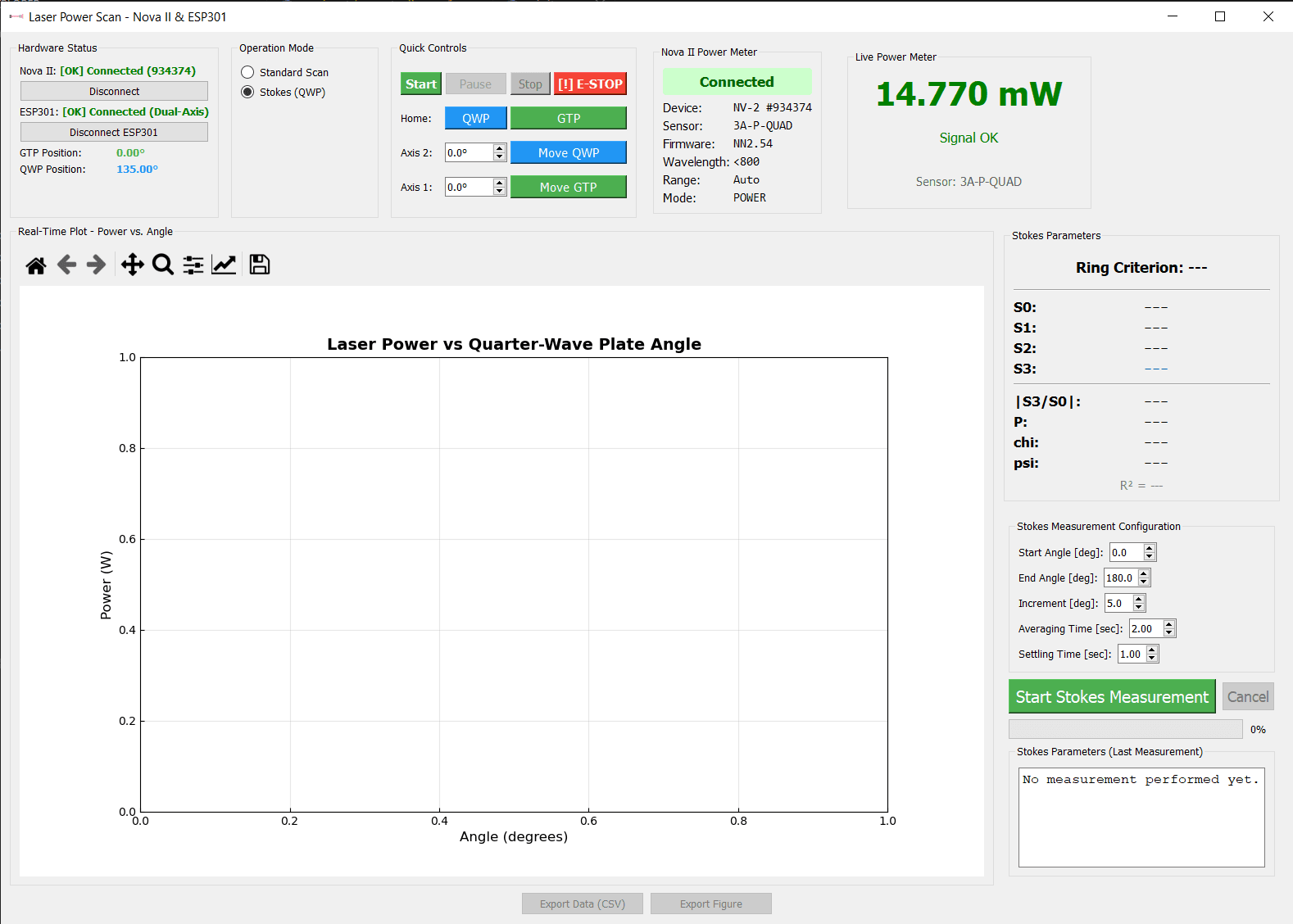
Measuring the full polarisation state of our laser took over two hours by hand. A rotating quarter-wave plate and software I specified now do it in about five minutes.
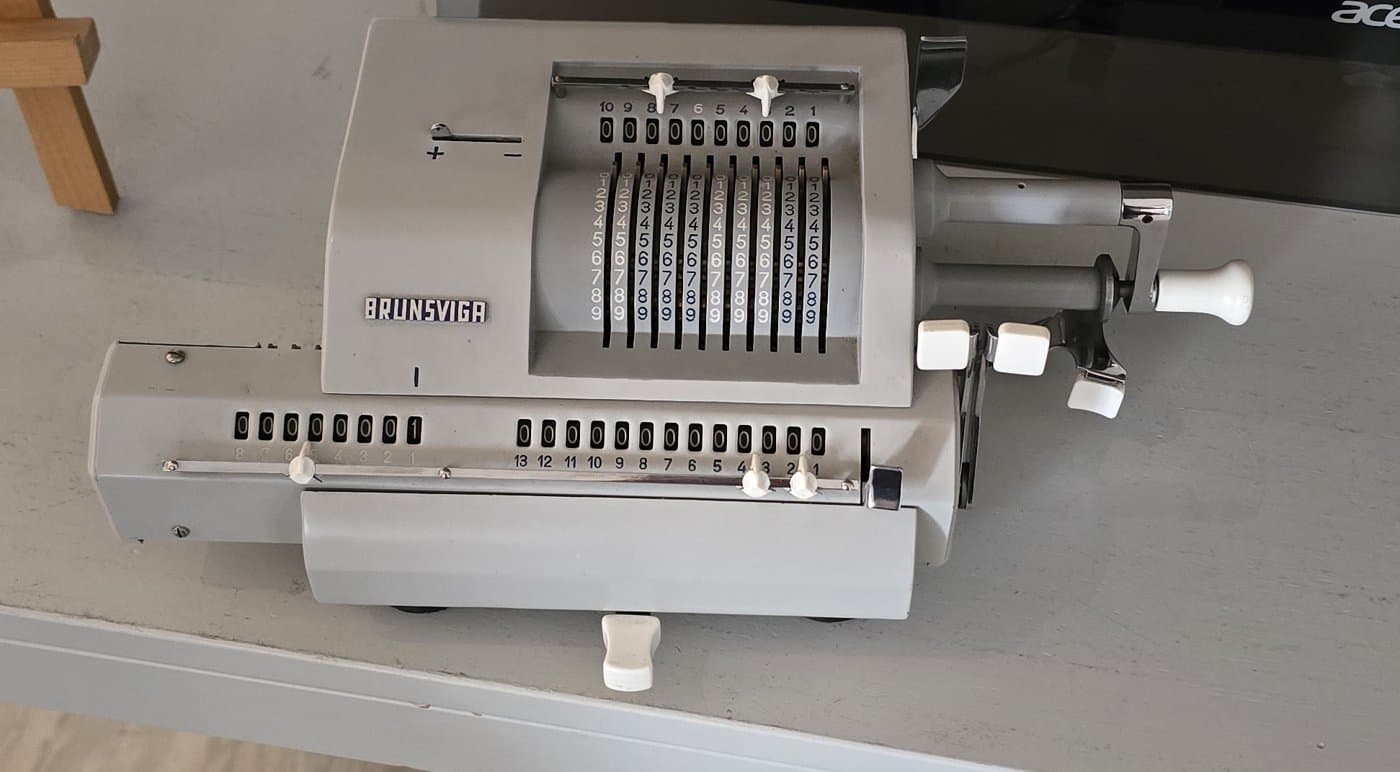
A chirality retreat in Hünfeld, a free afternoon, and the museum of the man who built a working computer out of sheet metal and telephone relays.
My third Kassel Half Marathon. It rained, I was slower than last year, and I am not going to pretend I know why.
I spent three weeks convinced I had a wiring problem. The device had accepted a valid instruction, quietly done something smaller, and reported nothing at all.
I run a mass spectrometer and I own the acquisition system feeding it. There are six layers in between that I have been trusting rather than understanding, and here is exactly how I plan to close that.
Most ML forecasting tutorials start with the data and end with a model. This project started with a physics equation, and it made all the difference.
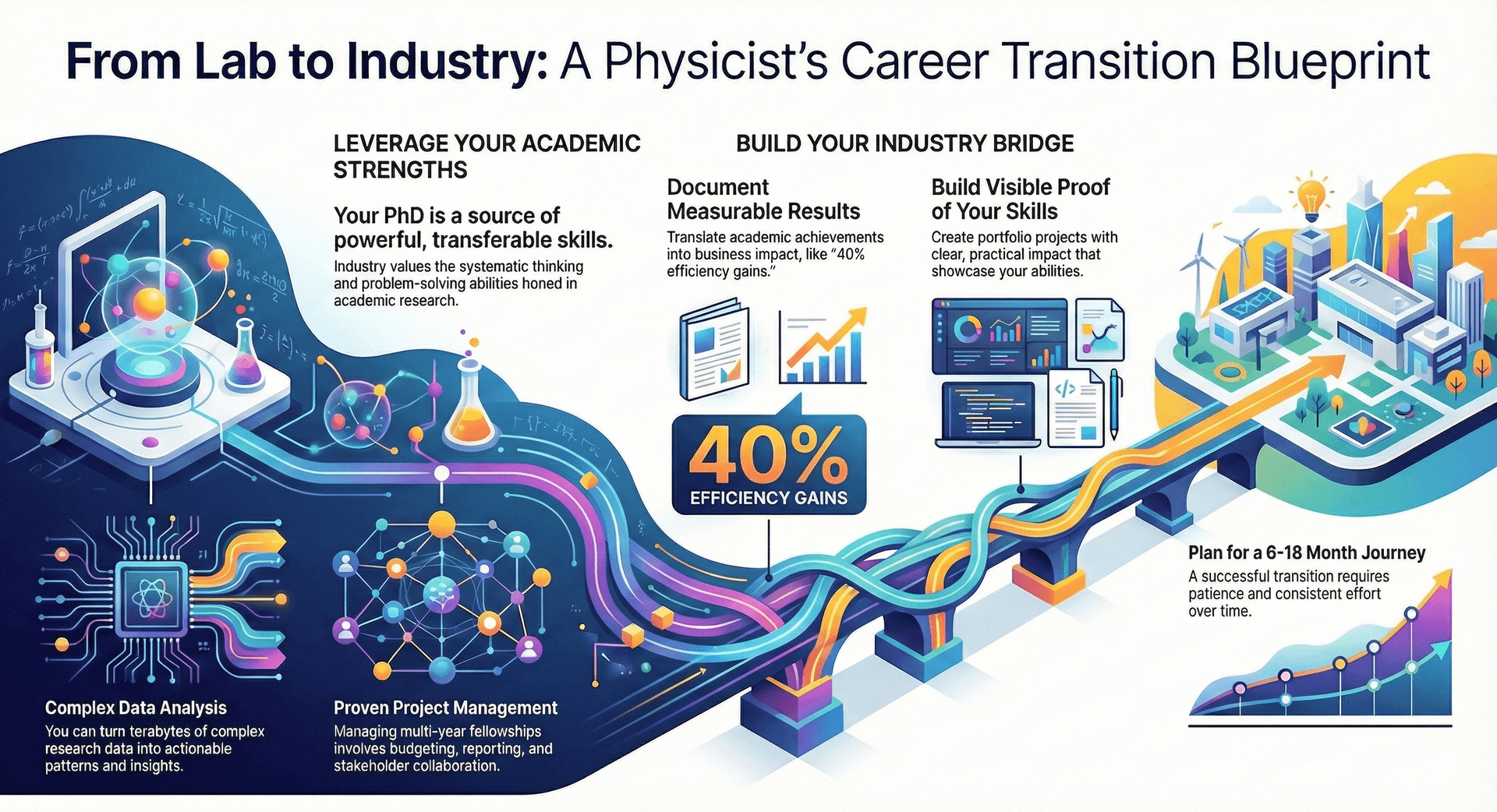
A physicist's honest account of moving from academic research into industry R&D and data-science roles in the DACH region.
Exploring OpenClaw, the open-source project that went viral with 200K GitHub stars, and five specific use cases for a researcher in career transition.
A lifelong Windows user's honest account of wiping a ThinkPad on a Tuesday night and switching to Linux for daily research work.
What 'Learning How to Learn' taught me about chunking, spaced repetition, and diffuse thinking, and how I applied those principles to build a website from scratch.
Based in: Kassel, Germany
Writing between experiments and weekend runs. Kassel's parks in summer make both easier.