Research
What I measure and what I found.
Core research areas
PEPICO spectroscopy of molecules and water clusters
What I am trying to find out
Most chemistry in living things happens in water, but in a liquid it is hard to see what one water molecule does. Small clusters hold only a few water molecules, so I can compare sizes and see what each extra one changes. One project follows a chiral molecule; another follows the electron a sodium atom gives up to a water cluster.
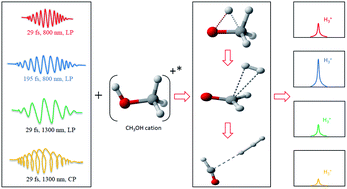
I ionise molecules and small water clusters with ultrashort ultraviolet laser pulses. I record the electron and the ion from the same laser shot, so I know which molecule each electron came from. Comparing left- and right-circularly polarised light lets me test whether water changes the response of a chiral molecule.
Technical terms: photoelectron-photoion coincidence (PEPICO); magnetic-bottle electron and Wiley-McLaren ion time-of-flight spectrometers; photoelectron spectra; circular dichroism in electron kinetic energy (CDEKE) and photoelectron circular dichroism (PECD).
Key Capabilities:
- PEPICO (photoelectron-photoion coincidence) with 309 nm pulses of 70 to 80 fs
- Velocity map imaging (VMI), a camera method that records the speed and direction of each particle, on thymine-water clusters at the ASTRID2 synchrotron in Aarhus
- I led the planning of that synchrotron measurement time with the host team
- Molecular beam techniques and micro-solvated cluster formation
Impact: Specified and validated the automated acquisition and analysis software for the PEPICO experiment (VAJRA), covering time-of-flight calibration and coincidence analysis.
Ionic liquids and nanoparticle interfaces
What I found
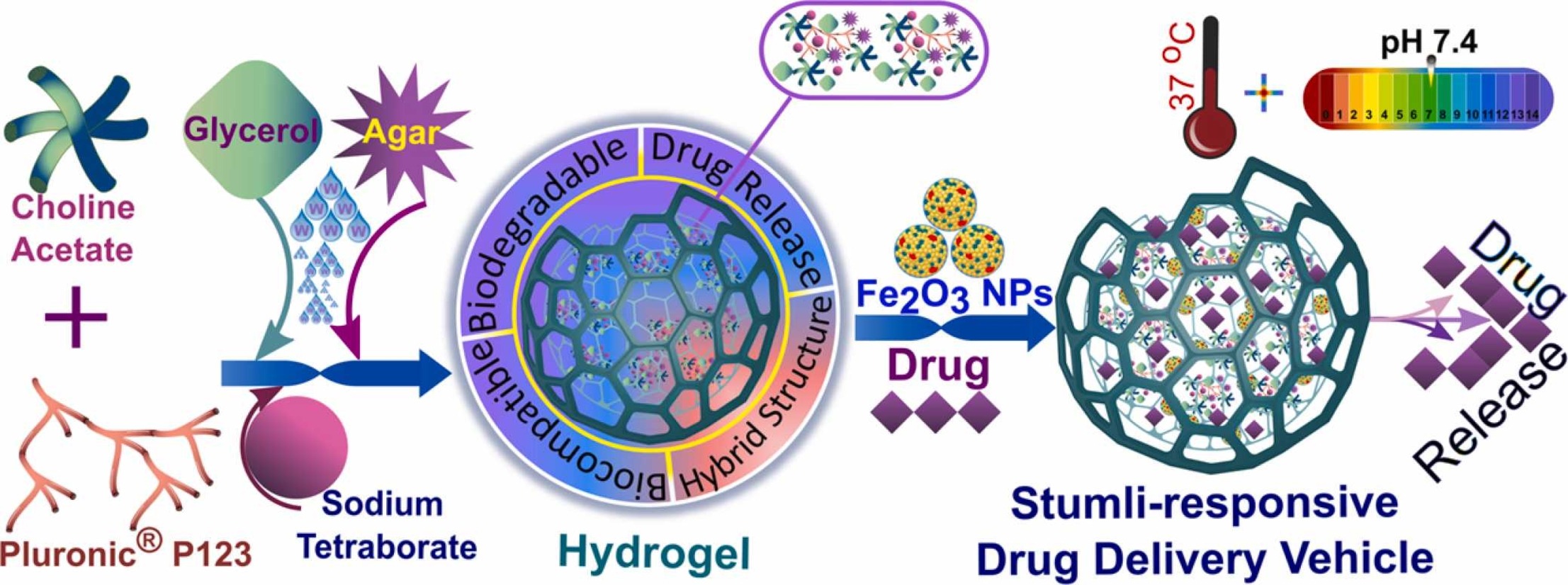
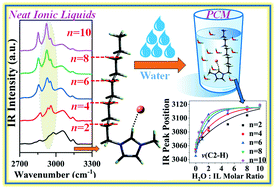
Ionic liquids are salts that melt below 100 °C, many below room temperature. In one of them, adding water switched off the interaction between its positive and negative ions, which I saw in infrared spectra and in a fall in viscosity. In a hydrogel, iron oxide nanoparticles raised drug release at body temperature from 31% to 73% over 25 hours.
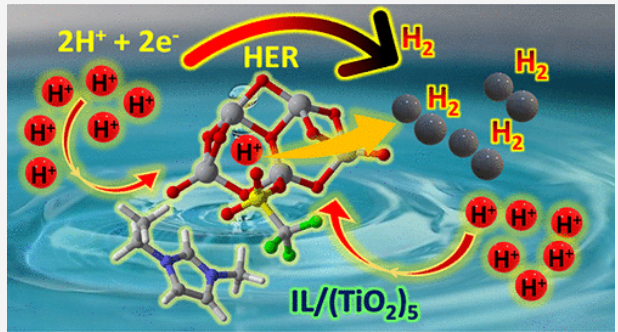
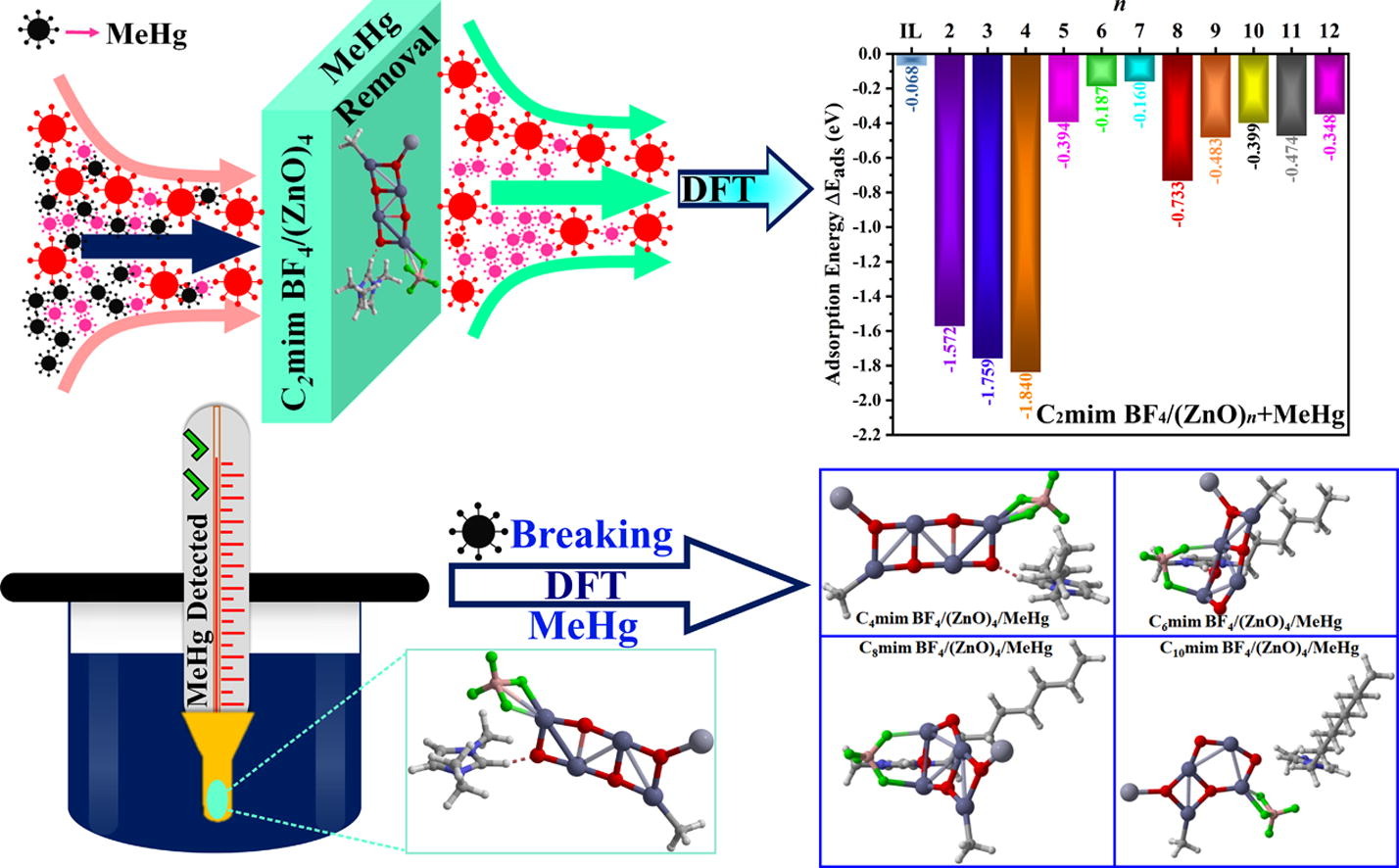
I studied how ionic liquids behave on the surface of metal oxide nanoparticles. I measured them with spectroscopy and modelled them with quantum chemistry, aiming at uses in solar energy, hydrogen production, gas separation and drug delivery. PhD thesis: “Structure and Properties of Ionic Liquids on Metal Oxide Nanoparticles: Spectroscopic and Computational Approach”.
Experimental Techniques:
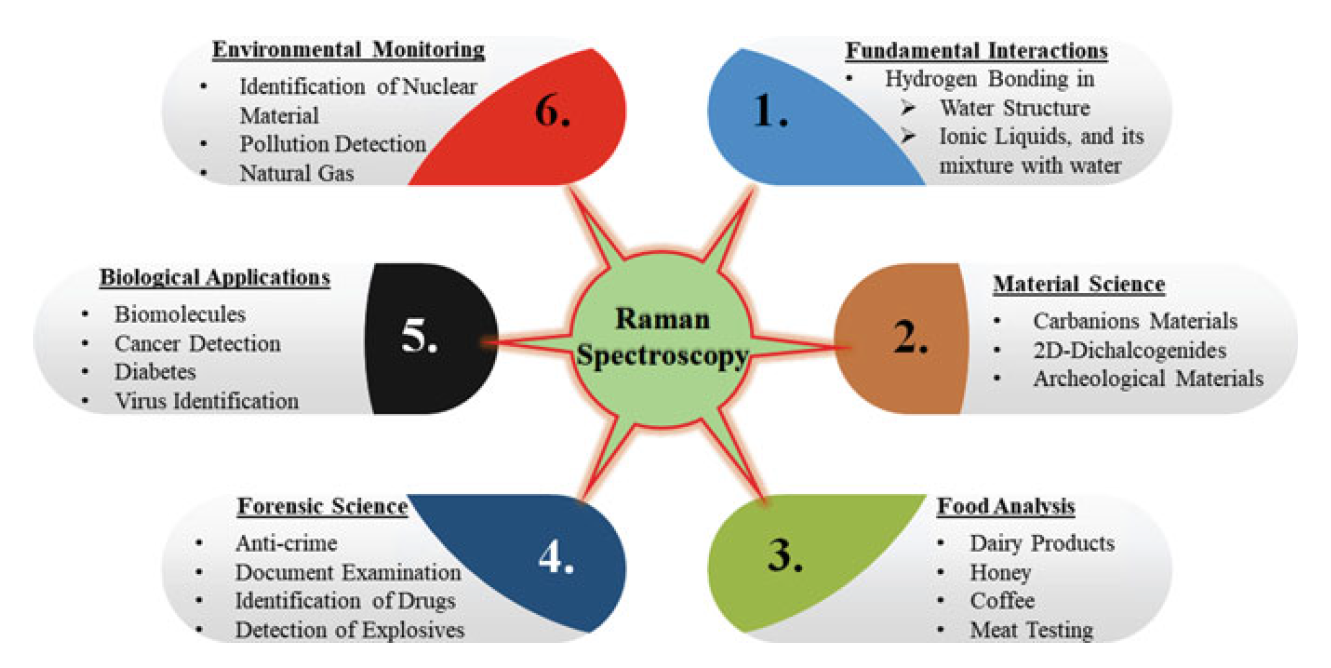
- FTIR, Raman, UV-Vis spectroscopy
- Rheological characterization & thermal analysis
- Nanoparticle synthesis and functionalization
Computational Methods:
- Density functional theory (Gaussian 09/16)
Impact: Insights into the structure and interactions of ionic liquids for clean-energy and gas-separation uses; a gas-separation membrane from this work became a granted patent.
Research output
My papers passed anonymous expert review, and I led 11 of them end to end. I worked with partners at more than ten institutions in six countries.
An h-index of 14 means 14 of my papers have each been cited at least 14 times.
Selected publications
A selection of my papers; where my part was narrower than the title suggests, I say so. The full list is on Google Scholar.
Patent
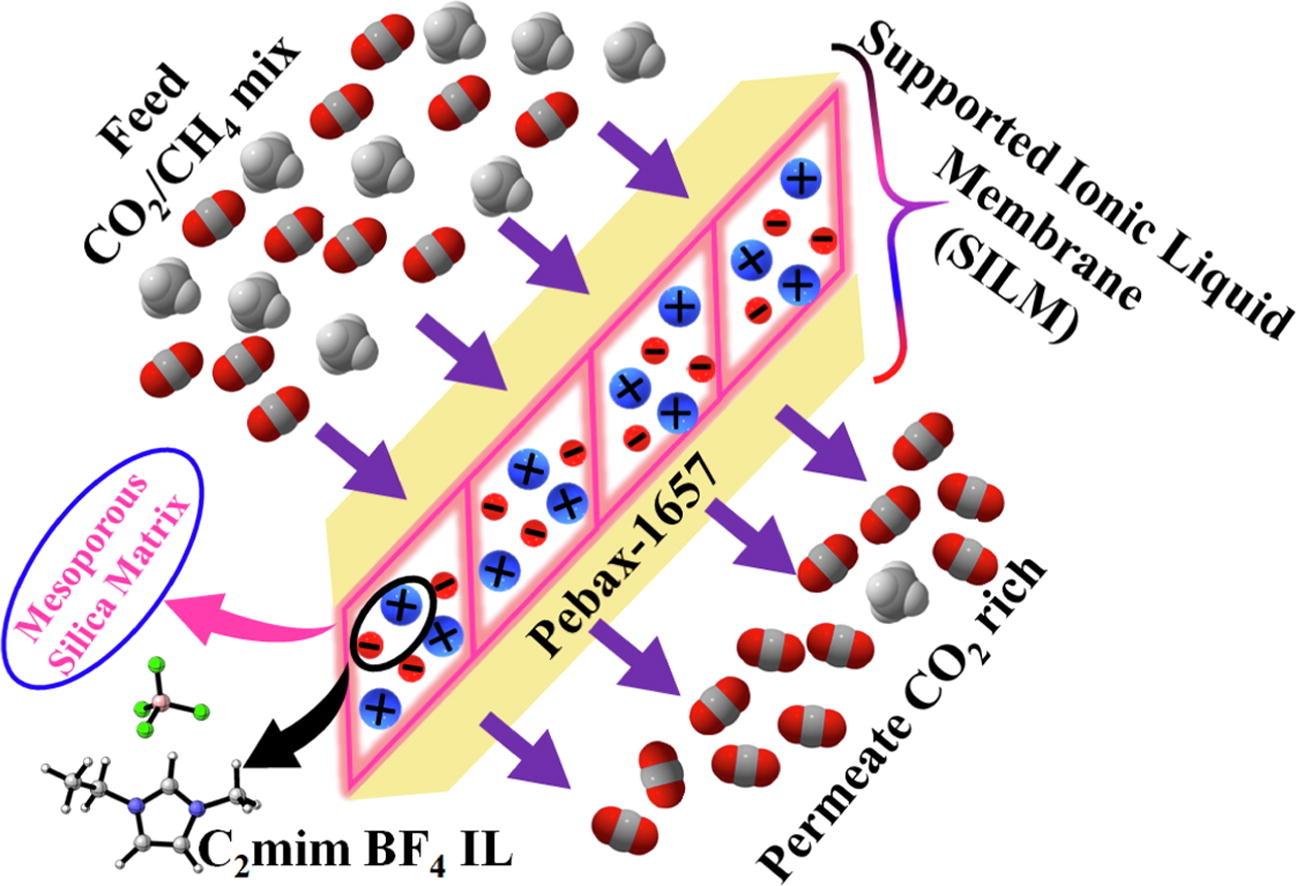
IN 415385: Synthesis of Mesoporous Silica Supported Ionic Liquid Based Polymeric Membrane for CO₂/CH₄ Gas Separation
A gas-separation membrane that came out of the ionic liquid work; I am one of six co-inventors.
For industry
I check numbers against the physics and find the cause before changing anything. The lab software and case notes show how; my side projects apply the same methods to industrial data.
Let's collaborate
Open to collaborations in scientific instrumentation, spectroscopy data analysis, and measurement automation. Always happy to talk about instruments, measurement and new opportunities.